Content often feels more personal and less processed than traditional media, creating a perceived bond with the viewer.
If there's a specific angle or aspect you'd like me to focus on related to "brasiloirinha" and "EroThots," please provide more context, and I'll do my best to craft a piece that meets your needs.
When exploring adult content online, it's wise to follow these general guidelines: Video Title- brasiloirinha - EroThots
The general assessment from these watchdog groups is that EroThots is a high-risk website that should be avoided.
Sites associated with indexing terms like "EroThots" often serve as third-party, community-driven forums where users discuss, review, or leak content from these private feeds. This creates a complex dynamic where creators must constantly balance copyright enforcement with the promotional value generated by viral search terms. Content often feels more personal and less processed
: Much of the content on these platforms is shared without the creator's consent, impacting their ability to monetize their work through official channels.
In Brazilian media culture, the "loirinha" (blonde) has historically held a distinct aesthetic space, often juxtaposed against traditional cultural archetypes. Independent creators frequently leverage these highly searchable colloquial terms to establish a recognizable brand identity that resonates with both local and international audiences. Sites associated with indexing terms like "EroThots" often
Her public narrative is one of intentional career-building. A former nursing student from Santos, Brazil, Thayane began creating content to supplement her income, a need identified during her studies. Her dedication quickly transformed a side hustle into a primary profession. Today, she openly discusses her financial success, reportedly earning an average of per month through her content. She uses platforms like Privacy, a Brazilian subscription-based social network, to connect directly with her subscribers.
The Brazilian music scene has long been a fertile ground for genre‑bending experimentation, and the recent release of is a vivid example of this creative spirit. Blending infectious samba‑infused beats with contemporary electronic production, the track pushes the envelope both sonically and visually. In this post, we’ll dive into the song’s musical composition, its striking music video, the cultural references it invokes, and the reactions it’s eliciting across social platforms.
The intersection of humor, culture, and social media presents a fascinating study in how trends are born, evolve, and impact society. Whether "brasiloirinha" refers to a specific type of comedic sketch, a social media challenge, or another form of digital content, its significance likely lies in what it reveals about Brazilian culture, the global reach of local humor, and the ways in which digital platforms can amplify these cultural expressions.
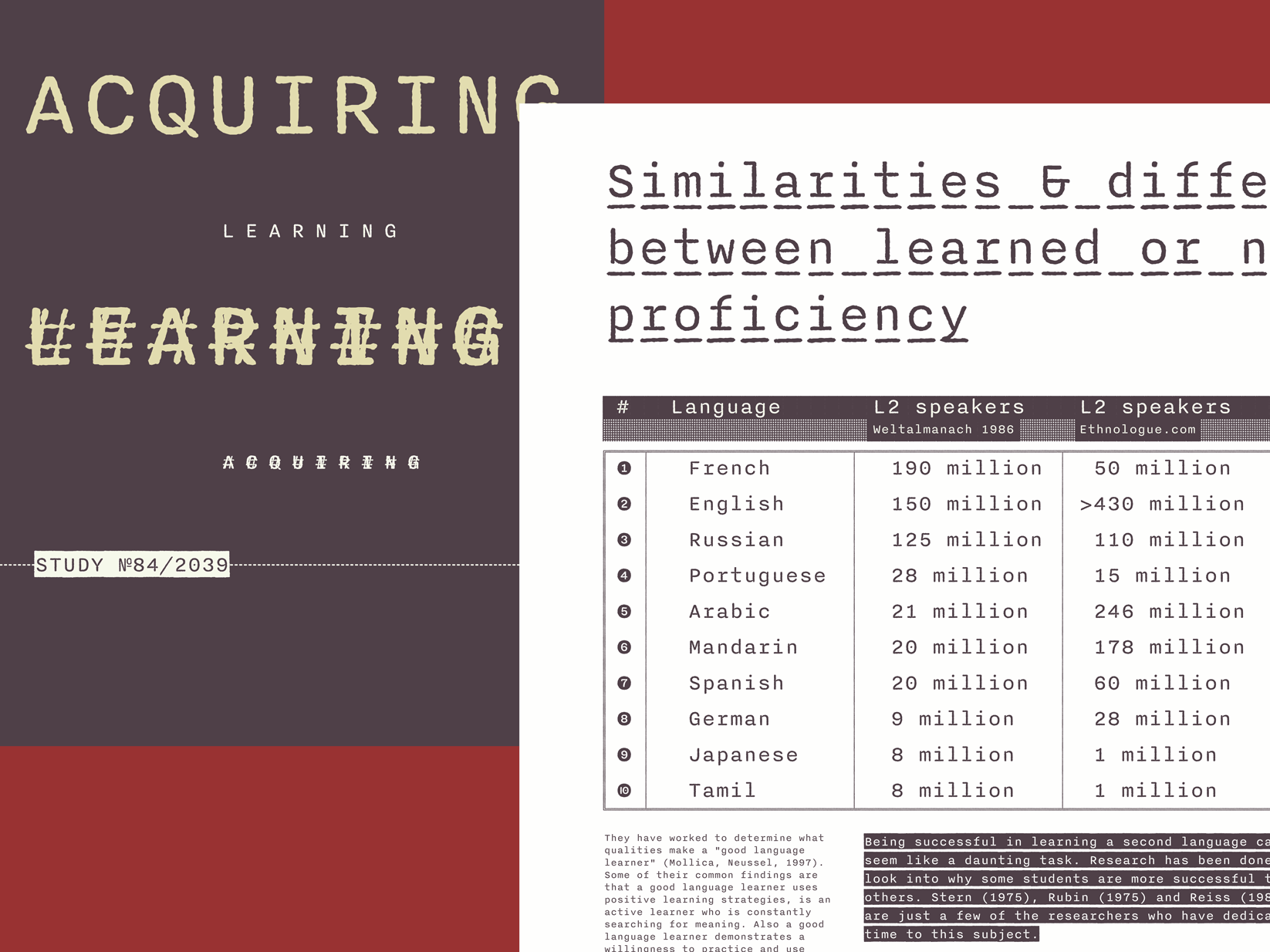
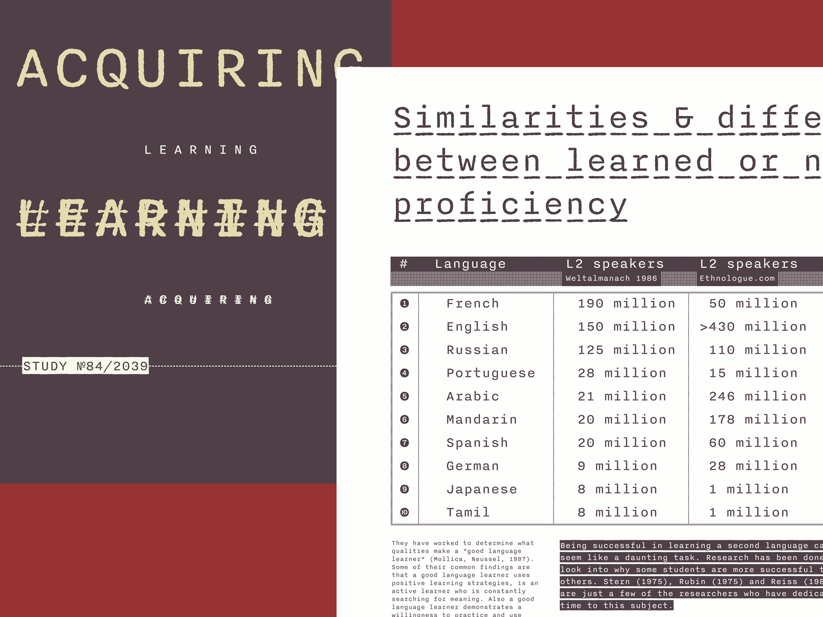
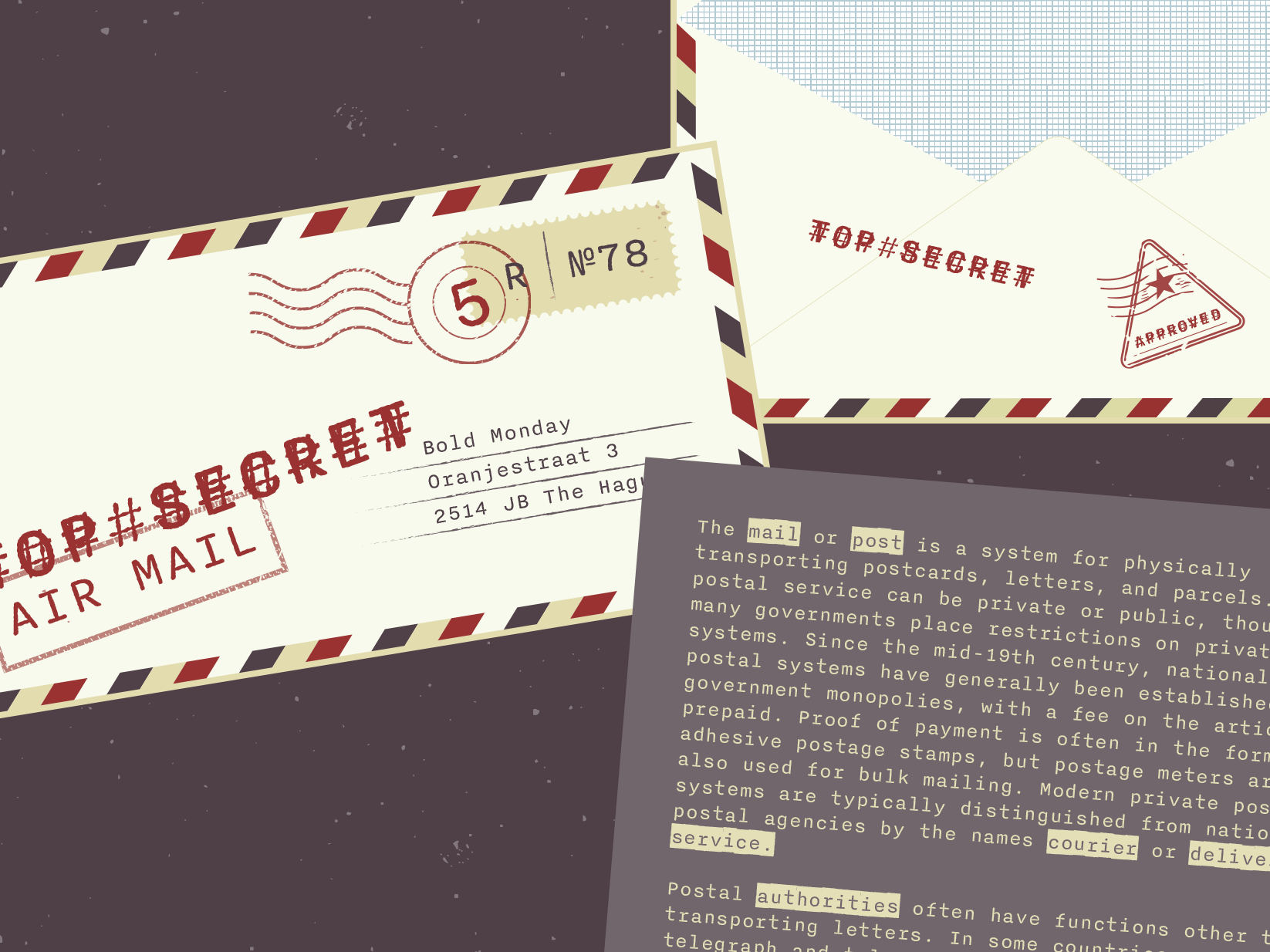
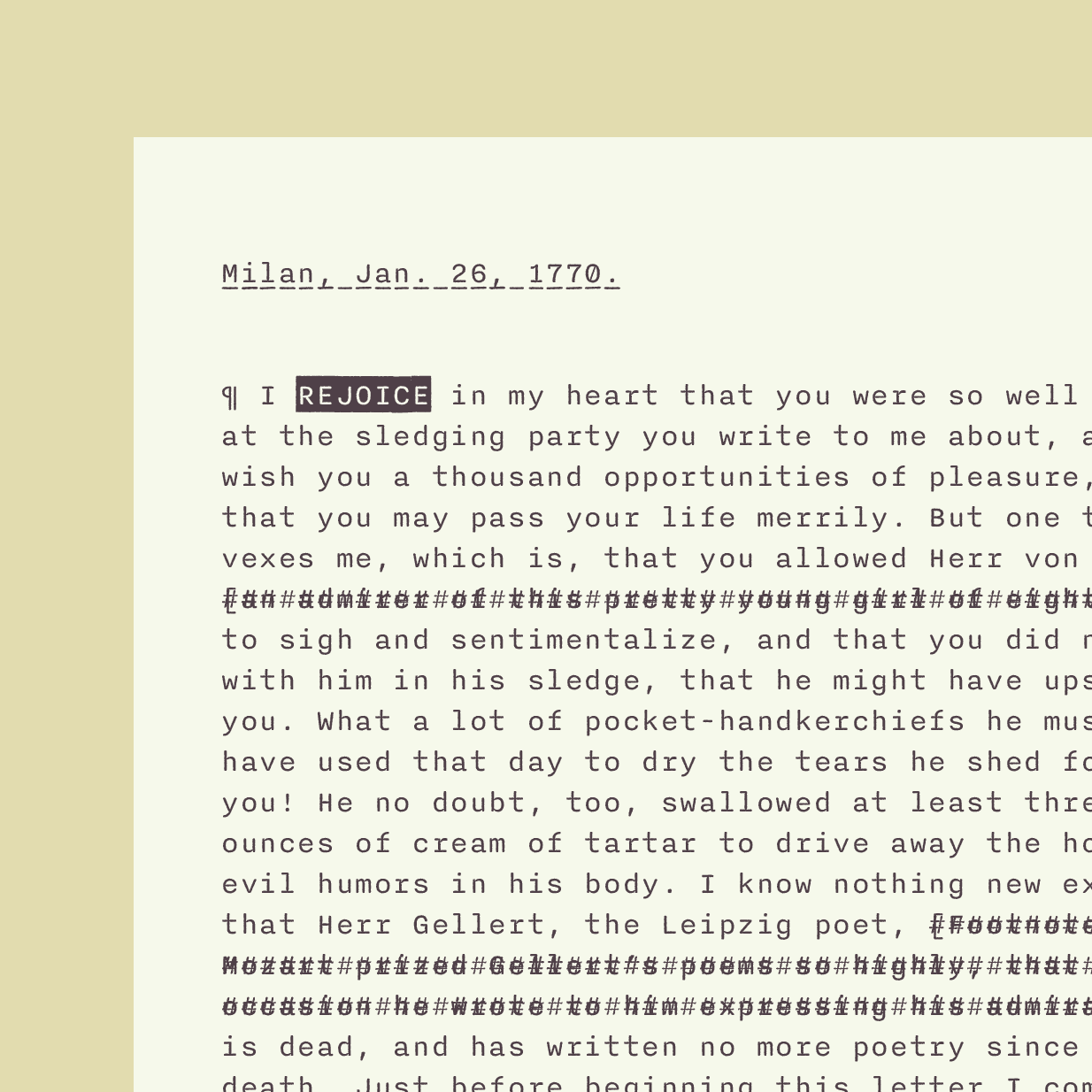
Nitti Typewriter, a relative of our Nitti series, is a playful nod to the aesthetics of typewriters in five flavours: Normal, Open, Underlined, Corrected, and Cameo. The family is based on monospaced Nitti and has its roots in the first sans-serif designs of the 19th century — the Grotesques. Originally a British invention, Grotesques gained massive popularity in mainland Europe and also became widespread in early 20th century USA where they were commonly referred to as ‘Gothic’. The quirky and often idiosyncratic shapes of these early English sans-serifs lend them the humanity and warmth still appreciated among many graphic designers today.
Nitti is named after Francesco Raffaele Nitto, better known as Frank ‘The Enforcer’ Nitti, one of the henchmen of Al Capone. The family is part of a bigger collection of Grotesque-inspired typefaces that also includes a poster version called Stanley, the regular monospaced Nitti, and a proportional version called Nitti Grotesk.
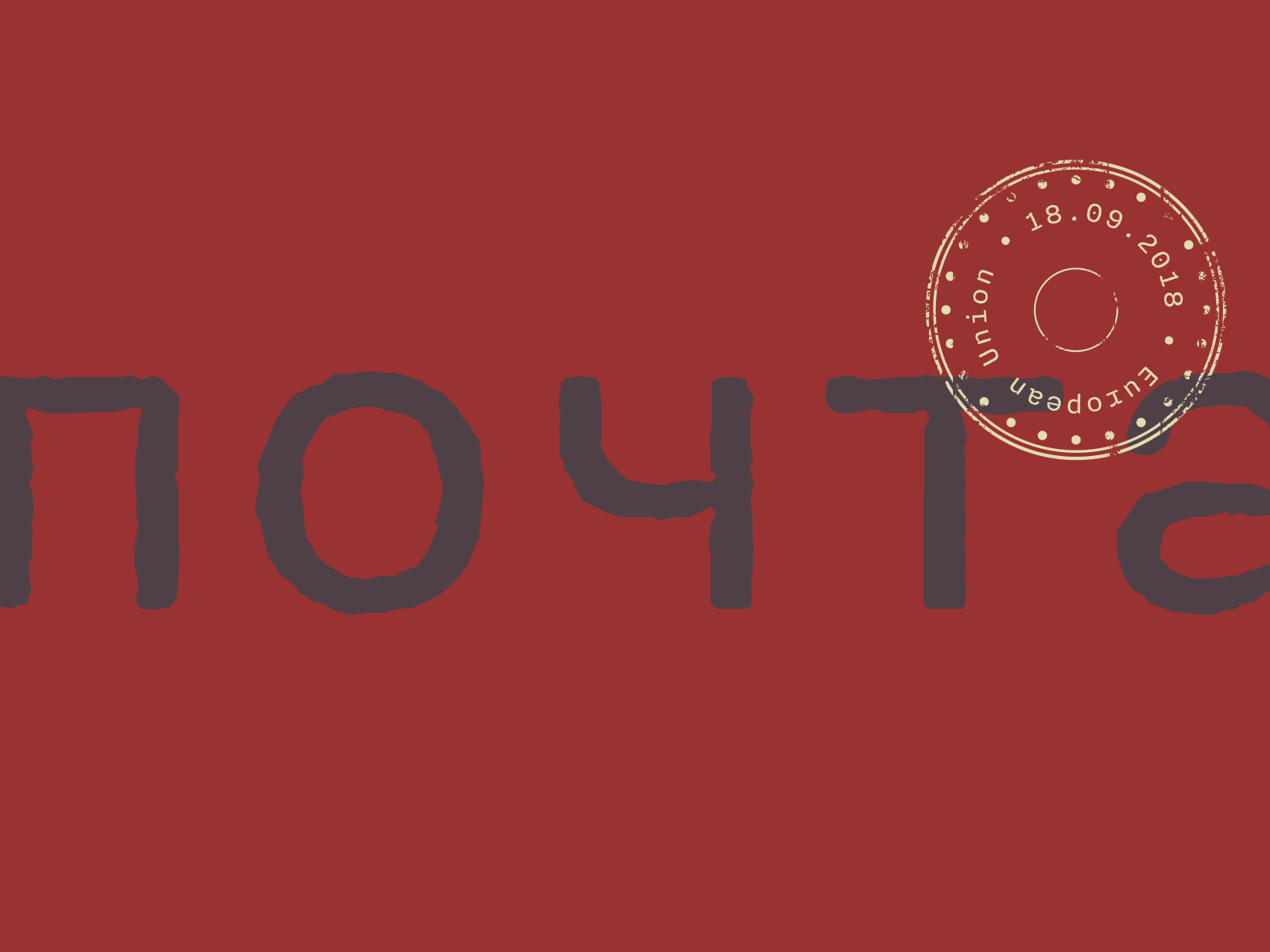
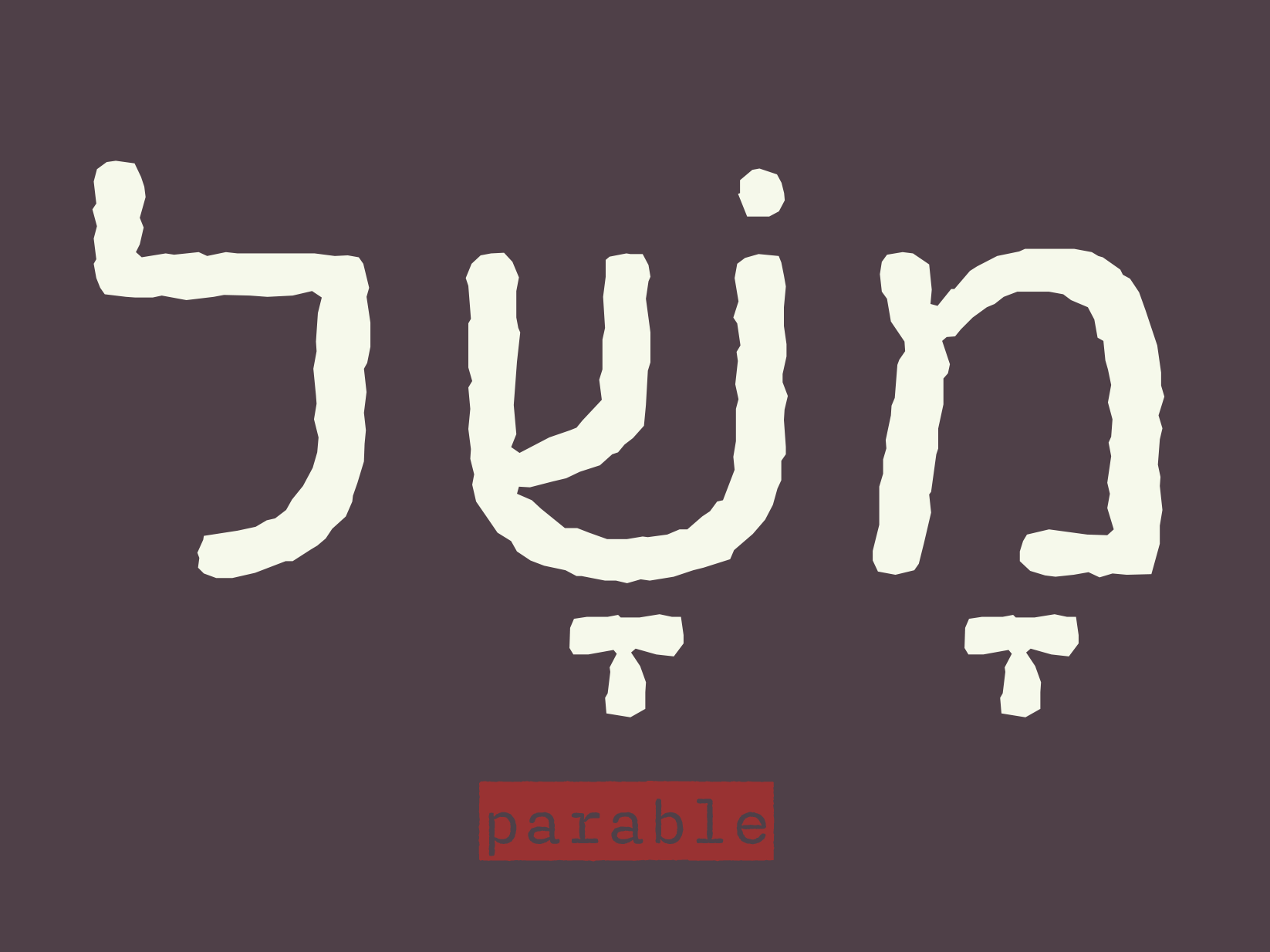
Nitti Typewriter has an very extensive character-set with Latin, Greek, Cyrillic glyphs that cover all European languages, Asian languages that use the Cyrillic script, plus Hebrew.
Designers
Pieter van Rosmalen
Yanek Iontef
2007–2016
Nitti supports the following languages
Afrikaans, Albanian, Asu, Azerbaijani, Basque, Belarusian, Bemba, Bena, Bosnian, Breton, Bulgarian, Catalan, Chiga, Colognian, Cornish, Croatian, Czech, Danish, Dutch, Embu, English, Esperanto, Estonian, Faroese, Filipino, Finnish, French, Friulian, Galician, Ganda, German, Greek, Gusii, Hawaiian, Hebrew, Hungarian, Icelandic, Igbo, Inari Sami, Indonesian, Irish, Italian, Jola-Fonyi, Kabuverdianu, Kalaallisut, Kalenjin, Kamba, Kazakh, Kikuyu, Kinyarwanda, Latvian, Lithuanian, Lower Sorbian, Luo, Luxembourgish, Luyia, Macedonian, Machame, Makhuwa-Meetto, Makonde, Malagasy, Malay, Maltese, Manx, Meru, Mongolian, Morisyen, North Ndebele, Northern Sami, Norwegian Bokmål, Norwegian Nynorsk, Nyankole, Oromo, Polish, Portuguese, Quechua, Romanian, Romansh, Rombo, Rundi, Russian, Rwa, Samburu, Sango, Sangu, Scottish Gaelic, Sena, Serbian, Shambala, Shona, Slovak, Slovenian, Soga, Somali, Spanish, Swahili, Swedish, Swiss German, Taita, Tajik, Teso, Tongan, Turkish, Turkmen, Ukrainian, Upper Sorbian, Uzbek, Vietnamese, Vunjo, Walser, Welsh, Western Frisian, Yiddish, Yoruba and Zulu.










 Loading your cart