
Witaj!
Blog archiwalny. Już niebawem nowy serwis!
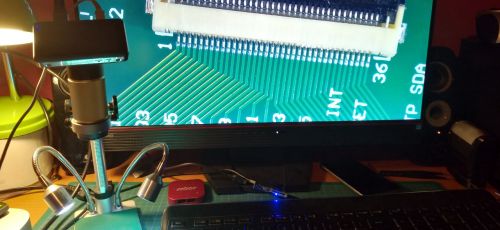 Cyfrowy mikroskop Andonstar ADSM201
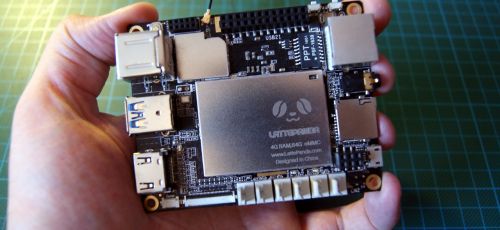 LattePanda z procesorem Intel Atom x5 Z8300
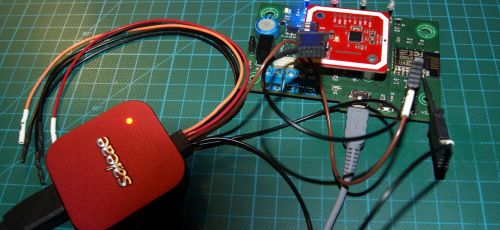 Wybieramy analizator stanów logicznych
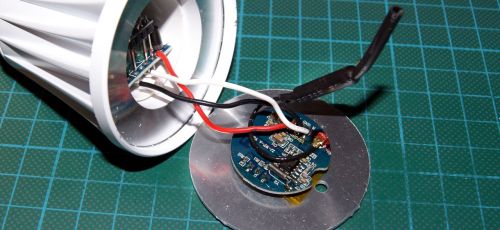 Komunikacja Wi-Fi z żarówką RGB od ChiChinLighting
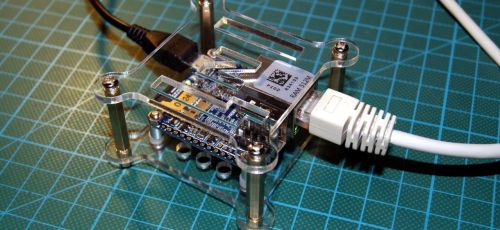 NanoPi NEO - miniaturowy Allwinner H3 za bezcen
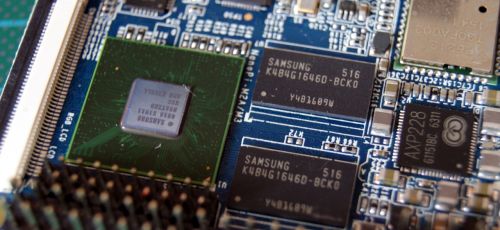 NanoPI M3 - ośmiordzeniowec z układem Samsung S5P6818
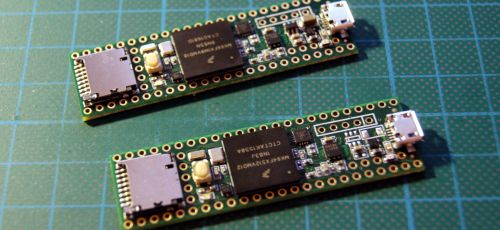 Pierwsze spojrzenie na nowe Teensy 3.5 i Teensy 3.6
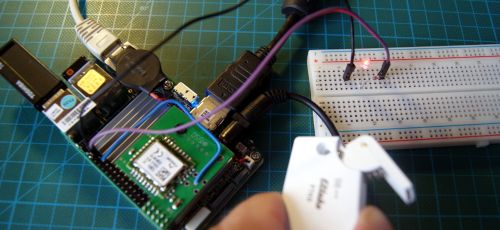 Inteligentny dom z czujnikami EnOcean i Up-Board
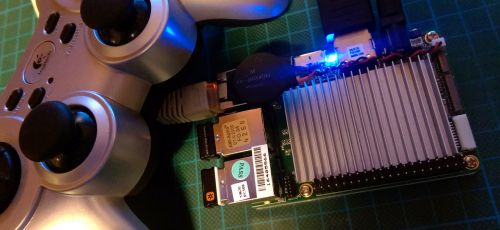 Jak sprawuje się Up Board pod Linuksem?
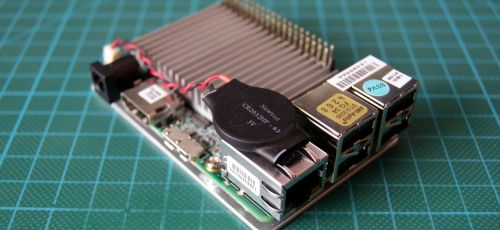 Up Board - SBC z procesorem Intel Atom x5 Z8350


The practical realities of a working collaborative pianist require unique professional skills that soloists rarely practice.
But don’t pick this up expecting dry theory. Katz writes the way he plays: witty, demanding, and absolutely brilliant.
Playing opera scores or concerto reductions requires the pianist to strip away unplayable notes while retaining the harmonic and rhythmic essence of the orchestra.
Many students and professionals search online for "the complete collaborator the pianist as partner pdf" hoping to find a quick digital reference for their coursework. While digital convenience is vital for modern musicians who use tablets (like iPads with page-turning pedals) on stage, it is crucial to approach this ethically and legally.
Developing a unified interpretation of phrasing, tempo, and emotional trajectory through mutual respect and compromise.
Demands an equal partnership. The collaborative pianist is a co-creator of the musical narrative, possessing deep knowledge of the score, text, and breathing mechanics.
Historically, the accompanist was viewed as a secondary participant. This perspective assumed that the soloist held all the interpretive power, while the pianist simply followed their lead. This dynamic often resulted in unbalanced performances where the piano’s rich textures and counter-melodies were stifled. The Collaborative Reality
Warning for seekers: Be wary of low-quality scans. Many early PDFs of collaborative piano texts are missing the musical examples (the most crucial part). Look for digital editions from publishers like Rowman & Littlefield or Oxford University Press.
To help narrow down how you can best apply these collaborative concepts, let me know:
: Two significant chapters focus on orchestral accompaniment, teaching pianists how to simulate a full ensemble at the keyboard.

2012: lis |
gru |
2013: sty |
lut |
mar |
kwi |
maj |
cze |
lip |
sie |
wrz |
paź |
lis |
gru |
2014: sty |
lut |
mar |
kwi |
maj |
cze |
lip |
sie |
paź |
lis |
gru |
2015: sty |
lut |
mar |
kwi |
maj |
cze |
lip |
2016: sty |
lut |
mar |
kwi |
wrz |
paź |
2017: sty |
lut |
mar |
lip |

