

Ni Labview 2020 Sp1 V20.0.1 -x86-x64- -filecr-

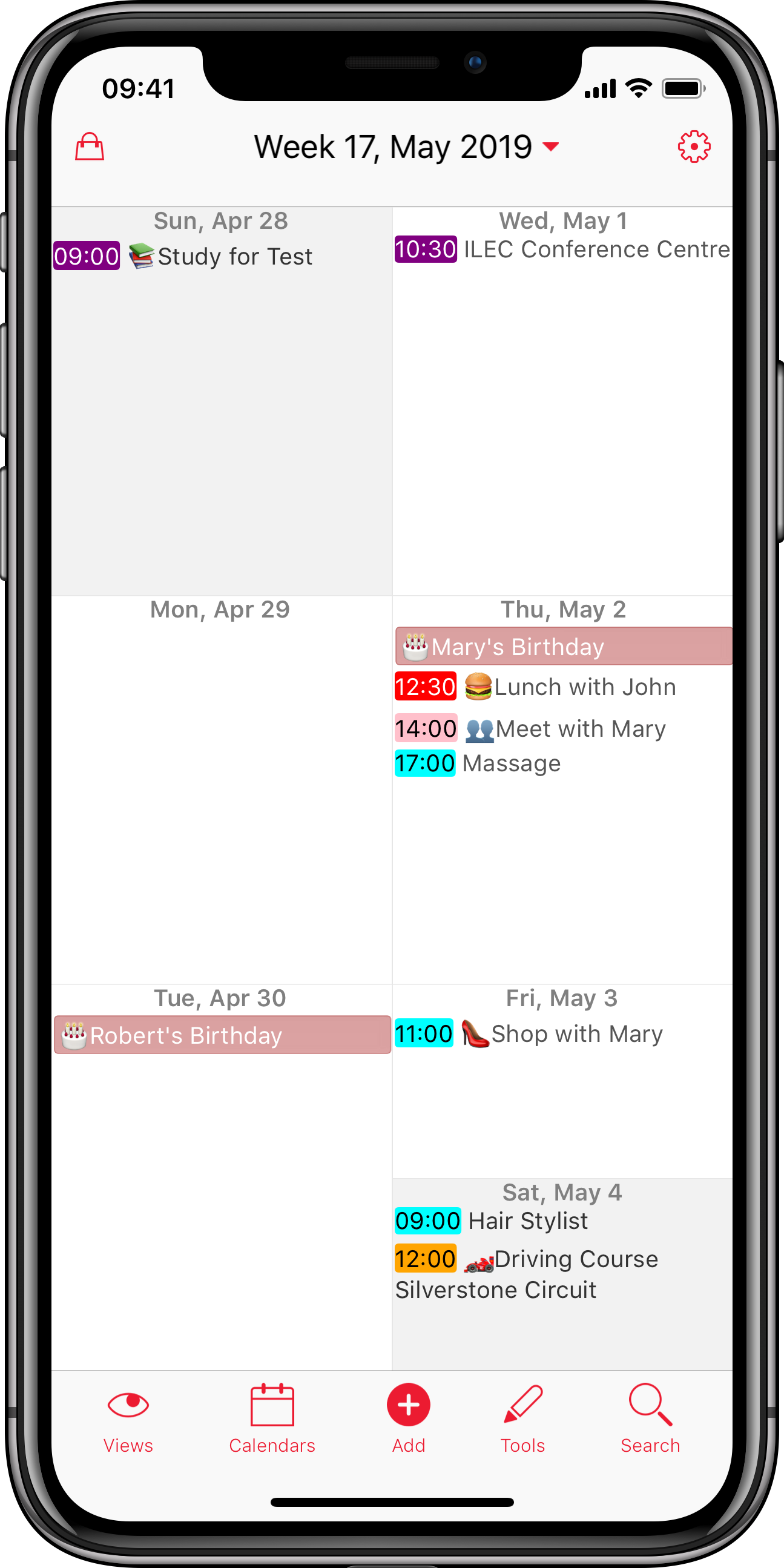
WeekCal breaks through the limitations of the standard calendar for iPhone, iPad, Apple Watch, Mac, and Android. A truly multifunctional and customizable calendar for your personal needs.

NI LabView 2020 SP1 v20.0.1 -x86-x64- -FileCR-

Organize Your Life Without Any Effort

NI LabView 2020 SP1 v20.0.1 -x86-x64- -FileCR-

Manage All Your Calendars Smoothly

WeekCal works with all your calendars including shared calendars. iCloud, Google Calendar, Yahoo! Calendar, Microsoft Outlook, Exchange ActiveSync, iCal, CalDAV, ICS subscription calendars are all supported. Visualize your busy schedule using colors and emojis. Have a clear and detailed overview based on day, week, month or year level.

Make Your Schedules Easily

Move your appointments by simply dragging, copying and pasting. Save often used events as a template, create repetitive events, assign colors or emojis to events based on rules, share your events via messaging apps and many other features suited to your personal wishes.

NI LabView 2020 SP1 v20.0.1 -x86-x64- -FileCR-

Stay Up To Date With Calendar Subscriptions

Unlimited access to all smart calendars ranging from sports, weather to holidays.

Use WeekCal Like Our 4+ Million Happy Users

WeekCal supports these languages: Arabic, Catalan, Chinese Simplified, Chinese Traditional, Czech, Danish, Dutch, English, Finnish, French, German, Greek, Hebrew, Hindi, Hungarian, Indonesian, Italian, Japanese, Korean, Malay, Norwegian, Polish, Portuguese, Russian, Slovak, Spanish, Swedish, Thai, Turkish
More languages will be added in the future.

Try WeekCal to keep personal and business schedules organized. WeekCal is available for iPhone & iPad

NI LabView 2020 SP1 v20.0.1 -x86-x64- -FileCR-

Ni Labview 2020 Sp1 V20.0.1 -x86-x64- -filecr-

Software piracy is illegal and constitutes copyright infringement. Using cracked software exposes individuals and organizations to significant legal risks, including fines and other penalties.

National Instruments’ (NI) LabVIEW (Laboratory Virtual Instrumentation Engineering Workbench) has long stood as the premier environment for systems engineering, test automation, and data acquisition. The release of represents a significant milestone in the software's lifecycle. Released during a period of global transition and increased reliance on remote engineering, this version solidified the stability of the 2020 platform. While many users focus on the "FileCR" designation associated with this specific release—indicating its widespread availability within the software distribution community—the technical merit of the software itself remains the focal point for engineers and scientists. This essay explores the architecture, feature set, system requirements, and significance of LabVIEW 2020 SP1, analyzing why this specific build remains a staple in industrial and academic environments.

As he worked, John encountered a few issues, but the LabVIEW community and NI resources were readily available to help him troubleshoot. He also appreciated the flexibility of LabVIEW, which allowed him to easily modify his code and adapt to changing project requirements. NI LabView 2020 SP1 v20.0.1 -x86-x64- -FileCR-

Licensing and activation:

National Instruments LabVIEW 2020 Service Pack 1 (v20.0.1) is a maintenance release for the LabVIEW 2020 platform that provides bug fixes, compatibility updates, and improvements to installers and runtime components for both x86 and x64 Windows platforms. Below is a concise, practical blog-style guide covering what this release is, installation notes (including common installer switches and the “-FileCR” fragment you included), compatibility considerations, and quick troubleshooting tips. The release of represents a significant milestone in

after installation completes.

Session 1 — Core Concepts: File I/O Fundamentals (60–90 minutes) This essay explores the architecture, feature set, system

Compared to previous versions, LabVIEW 2020 introduced several important new features and improvements:

End note: follow the hands-on path—build small VIs, iterate to robust utilities, and package them as a toolbox for reuse.

Frequently asked questions