Quality — Mira Backroom Casting High
Sorvino has cited this "backroom" style experience as a primary reason for her vocal support of the #MeToo movement .
The audition or "casting couch" trope has been a staple of adult media for decades, evolving alongside changing consumer preferences and technologies: Distribution Method Core Characteristics Physical media sales
The concept of backroom casting dates back to the early days of modeling and casting. In the 1970s and 1980s, casting directors would often hold private auditions for major clients, such as fashion designers, advertising agencies, and film producers. These backroom castings were usually invitation-only and provided a platform for models to showcase their talents and personalities. mira backroom casting
The project turned out to be a web series, one that allowed Mira to explore characters and narratives in a way she never had before. It was innovative, daring, and exactly what she had been craving.
"What do I need to do?" she asked, her voice barely above a whisper. Sorvino has cited this "backroom" style experience as
How's this draft? I can continue the story or make changes based on your feedback!
The most successful iteration of this trend was the audition or "casting" format. The premise was universally identical: "What do I need to do
The "Mira Backroom Casting" phenomenon is a fascinating case study in niche marketing, psychological fantasy, and the ethics of voyeurism. It is not real life—but it is a very profitable reflection of what we imagine real life to be.
-
-
-
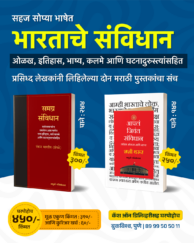
 जदुनाथ सरकार लिखित शिवरायांवरील दोन मराठी पुस्तके Original price was: ₹900.00.₹850.00Current price is: ₹850.00.
 -
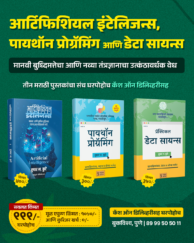 आर्टिफिशियल इंटेलिजन्स, डेटा सायन्स आणि पायथॉन प्रोग्रॅमिंग Original price was: ₹1,050.00.₹960.00Current price is: ₹960.00.
-