Close this alert
Gangs Of Wasseypur Part 1 ((link)) Jun 2026
The film served as a launchpad for many of today's biggest stars:
One of the most striking elements of Gangs of Wasseypur Part 1 is its language. This is not the Hindi spoken in Mumbai high-rises. It is the raw, Bhojpuri-accented, profanity-laced dialect of the Purvanchal region. The film famously uses the word "bhenchod" (sister-fucker) as a comma, a punctuation mark, and a term of endearment. Instead of feeling crass, this usage feels hyper-realistic.
Style and Filmmaking Techniques
The feud begins when Shahid Khan, a Qureshi pathan, robs British trains by impersonating the legendary dacoit Sultana Daku. Banished by his own clan, Shahid takes up work as a muscleman for Ramadhir Singh in Dhanbad. Recognizing Shahid’s growing ambition and lethal potential, Ramadhir has him preemptively murdered. gangs of wasseypur part 1
3. Direction and Narrative Style: A Masterclass in Gritty Realism
Let’s be honest – you’ve probably heard “ Beta, tumse na ho payega ” or “ Wasseypur ka launda, jab bolega… ” memed to death. But in context, the dialogue is razor-sharp. Zeishan Quadri (who also co-wrote the film based on his own family’s history) fills every scene with lines that are funny, terrifying, and deeply rooted in local slang. It feels real, not written.
★★★★★ (5/5) Verdict: A sprawling, violent masterpiece that redefined the crime genre in India. Watch it for Manoj Bajpayee’s raw energy; stay for the coal dust that never quite washes off. The film served as a launchpad for many
Nagma is the fierce backbone of the Khan family. As Sardar’s wife, she refuses to play the submissive victim despite his infidelity. Richa Chadha infuses the character with a terrifying intensity, commanding respect in a hyper-masculine world. Her transition from a sharp-tongued young bride to an iron-willed matriarch anchors the family’s survival. 3. Direction and Narrative Style: The Kashyap Aesthetic
Released in 2012, Gangs of Wasseypur Part 1 redefined the landscape of Indian cinema. Directed by the visionary Anurag Kashyap and co-written with Zeishan Quadri, it is the first installment of a two-part Hindi-language epic that masterfully blends crime, drama, politics, and dark comedy. This article explores everything you need to know about this modern classic, from its gritty plot and stellar cast to its production, controversies, and enduring legacy.
Sardar's second son, who is introduced primarily as a secondary figure in Part 1. Piyush Mishra The narrator and Sardar’s loyal associate. 4. Critical Reception & Legacy Critical Acclaim: The film famously uses the word "bhenchod" (sister-fucker)
Suggested Focus Areas for Further Analysis (if you want deeper study)
From Manoj Bajpayee’s legendary performance as Sardar Khan to the raw, regional soundtrack, Part 1 sets the perfect stage for a storm of vengeance. 🍿 Available on Amazon Prime Video.
Kashyap brilliantly illustrates how crime evolves alongside the state. The film transitions from crude muscle-flexing in the British era to institutionalized mafia control over coal extraction, union rigging, and democratic elections. Ramadhir Singh represents the shift from feudal landlord to modern politician, proving that the most dangerous criminals wear pristine white kurtas instead of carrying guns. Subversion of Heroism
The climax of Part 1 serves as the prologue to a more intense conflict, setting up the central themes of revenge and the unstoppable cycle of violence. 2. Unforgettable Characters and Powerhouse Performances
Other Books in Series
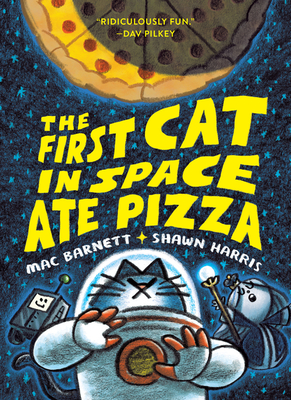
The First Cat in Space Ate Pizza: A Graphic Novel
Paperback
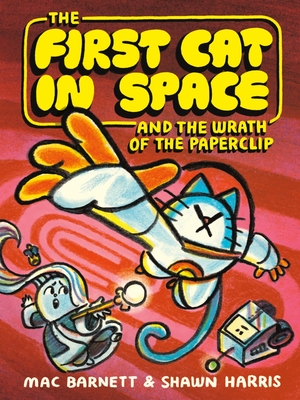
The First Cat in Space and the Wrath of the Paperclip: A Graphic Novel
Paperback
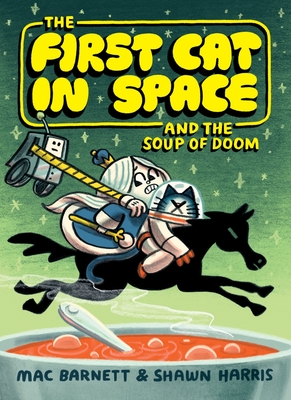
The First Cat in Space and the Soup of Doom: A Graphic Novel
Paperback
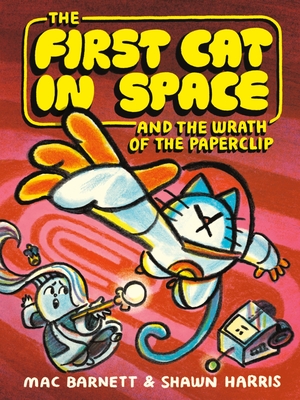
The First Cat in Space and the Wrath of the Paperclip: A Graphic Novel
Hardcover
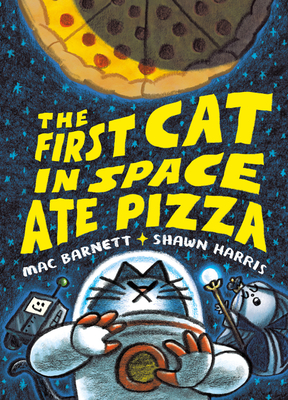
The First Cat in Space Ate Pizza: A Graphic Novel
Hardcover
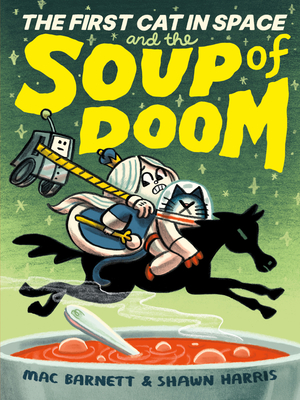
The First Cat in Space and the Soup of Doom: A Graphic Novel
Hardcover
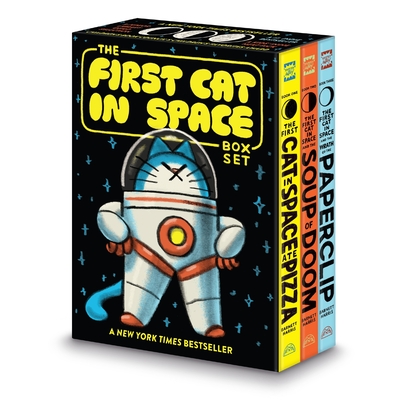
The First Cat in Space 3-Book Box Set: A Graphic Novel Collection: The First Cat in Space Ate Pizza, The First Cat in Space and the Soup of Doom, The First Cat in Space and the Wrath of the Paperclip
Multiple copy pack