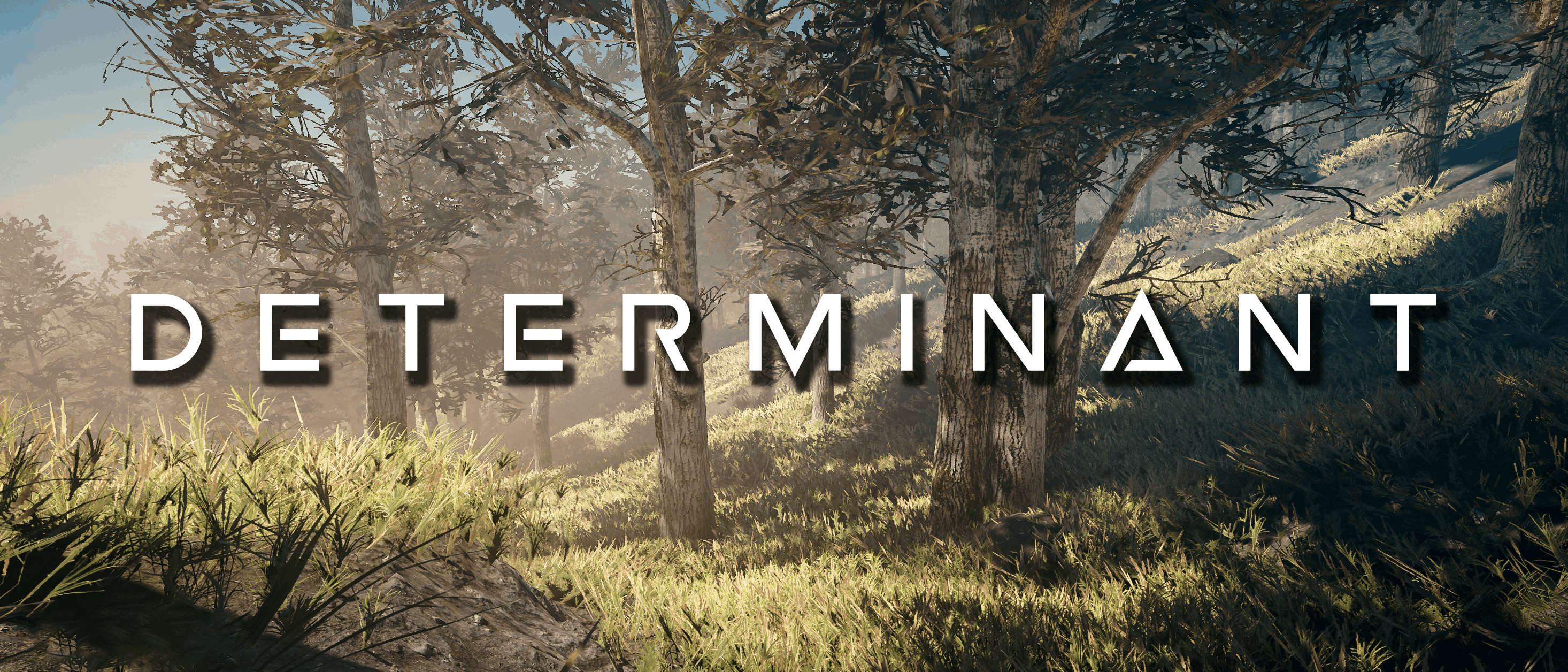

Determinant is a realistic physics-based open-world survival game. Survival, crafting, exploration and base building are the main focus. You will need to hunt for food and water and survive against environmental hazards. There may be unknown dangers ahead. Combat is possible, but more of a defensive nature.
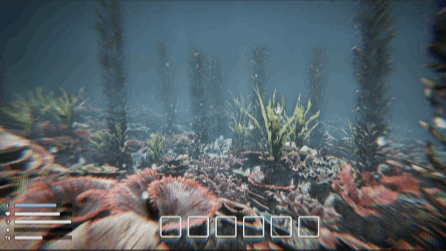
Beautiful natural scenery for you in immerse yourself in. Dense forests, beaches, coral reefs, and mountains. Ultra realistic water with dynamic waves and splashes.

Build your base and just chill and enjoy the scenery. Go out and explore the world, discover and scan new species of flora and fauna.

Fight and hunt for food and resources. Unknown threats lie ahead. Realistic damage modelling and effects.

Highly detailed food models based on actual photographs makes eating an enjoyable experience. Hunt, prepare and cook gourmet dishes.
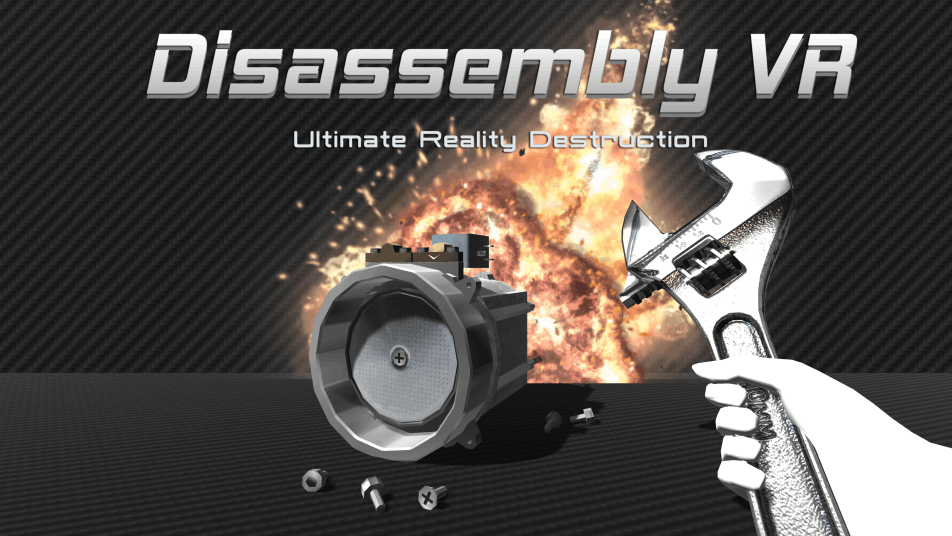
Disassembly VR: Ultimate Reality Destruction simulates the experience of taking everyday objects apart in virtual reality. Remove screws, bolts, nuts and every single part with your tools and bare hands. All fully interactive with realistic disassembly physics! Weapons and additional tools unlock as you complete levels for more destructive fun!
As the video reaches more critical audiences, internet sleuths and media analysts begin to dissect the footage. Viewers notice subtle cues: the creator looking off-camera for approval, sudden cuts that suggest coaching, or inconsistencies in the story. TikTok stitches, YouTube commentary essays, and Reddit threads analyze the video frame-by-frame, shifting the narrative from sympathy for the situation to concern over potential abuse or staging. Phase 3: Meta-Discourse and Structural Backlash
Being forced to perform or having one's genuine pain broadcast to millions can distort self-worth, leading to anxiety, depression, and trust issues later in life. Moving Forward: Ethics in the Digital Age
If you or someone you know has been affected by viral sharenting, resources are available through the Digital Consent Initiative and the Child Mind Institute’s Center for Digital Wellness
This is the classic template: a crying child, a clear aggressor, and a savior with a smartphone. However, while such videos garner millions of views, they also create a secondary trauma. Unlike the rose seller, who was a genuine victim, many viral clips blur the line between authentic suffering and cruel manipulation.
This public link is valid for 7 days and shares a thread, including any personal information you added. This link or copies made by others cannot be deleted. If you share with third parties, their policies apply. Can’t copy the link right now. Try again later. As the video reaches more critical audiences, internet
The "second trauma" of being mocked by millions can be more damaging than the initial incident.
The discussion around viral videos involving minors highlights the need for a more robust framework for digital citizenship. Respecting the boundaries of those who cannot yet advocate for themselves is a critical component of ethical content creation. Moving forward, the focus should remain on fostering a digital culture that prioritizes the protection of privacy over the impulse for viral consumption.
But what happens when the subject of the video is neither a politician nor a celebrity, but a minor who cannot articulate a desire for privacy? This article dissects the mechanics of how a crying girl becomes forced viral content, the psychological impact of that virality, and the simmering counter-movement demanding that we look away.
The majority of late-arriving viewers have expressed horror. Hashtags like #ProtectMia and #DeleteTheClip trended briefly, and several influencers called for “digital picketing” of the accounts that reposted the video. However, their well-meaning shares often re-circulated the very footage they claimed to condemn. Phase 3: Meta-Discourse and Structural Backlash Being forced
Traditional media, such as film and television, features strict regulations regarding child actors, including capped working hours, mandatory schooling, and protected financial trusts (like Coogan Accounts in the United States). However, family vlogging and independent content creation exist in a regulatory gray area. In most jurisdictions, parents are legally permitted to film their children inside their homes and monetize the content without any requirement to set aside earnings for the child. Platform Moderation Challenges
In April 2026, a female student at became the center of a national debate in India after a video of her dancing at a cultural festival went viral.
Conversely, a growing counter-movement of digital rights advocates and empathetic users has begun to push back against this trend. Communities frequently mobilize to report non-consensual videos, call out creators who profit from exploitation, and demand stricter moderation policies. These discussions emphasize the necessity of "digital citizenship" and the ethical obligation of the viewer to scroll past or report content that actively harms another person. Psychological and Real-World Consequences
In severe cases, evidence suggests children are coached or forced to cry on command to fit a specific narrative or capitalize on a trending audio clip. Unlike the rose seller, who was a genuine
A young girl sits before a camera, tears streaming down her face. She looks distressed, uncomfortable, and visibly wishes to be anywhere else. Yet, the camera keeps rolling. Within hours, this intimate moment of distress is uploaded, algorithmic forces take over, and the video amasses millions of views. It spawns memes, reaction videos, and heated comment sections, turning a private moment of vulnerability into public entertainment.
As the video gains traction, the social media discussion shifts from curiosity to intense scrutiny. Digital communities often divide into two camps: those offering performative empathy and those engaging in ruthless "main character" criticism. For the girl in the video, this means her worst moment is deconstructed by thousands of strangers. Users analyze her facial expressions, question the authenticity of her tears, and dig through her digital past to find reasons to justify their interest or their vitriol.
Many users share the video with the intention of calling out the injustice, demanding the perpetrator be held accountable, or calling for help for the girl. While well-intentioned, this can sometimes lead to a effect, where the girl’s image is continually spread, causing further distress. B. The Victim Blamer
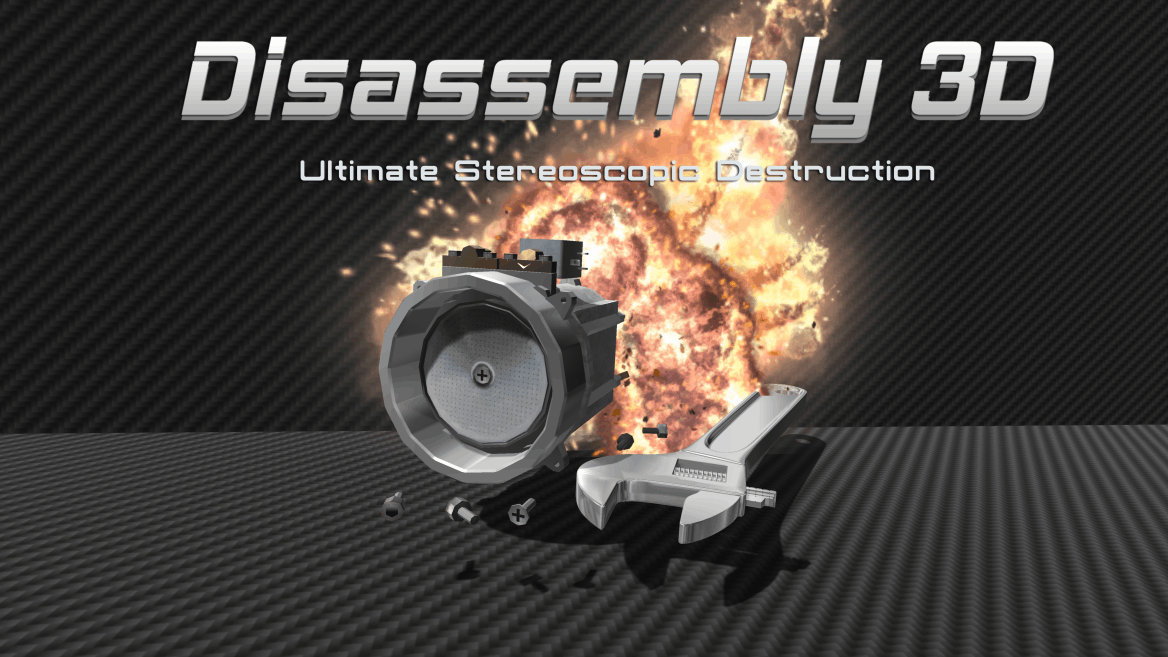
Disassembly 3D: Ultimate Stereoscopic Destruction is the original non-VR version, first released in 2011 and continually updated and enhanced throughout the years. Both versions have similar gameplay, levels and features. Available on PC, Mac and mobile platforms.

Experience the sinking of the Titanic, now with more explosions! Iceberg included!

Realistic physics - grab and drag parts to disassemble, move or drop them!

Realistic destruction - Place crash test dummies in cars, trains or other vehicles and blow it up in slow motion 'bullet' time!

Weapons mode unlock as you complete levels for more destructive fun! Handgun, shotgun, assault rifle, C4 and even a rocket launcher!
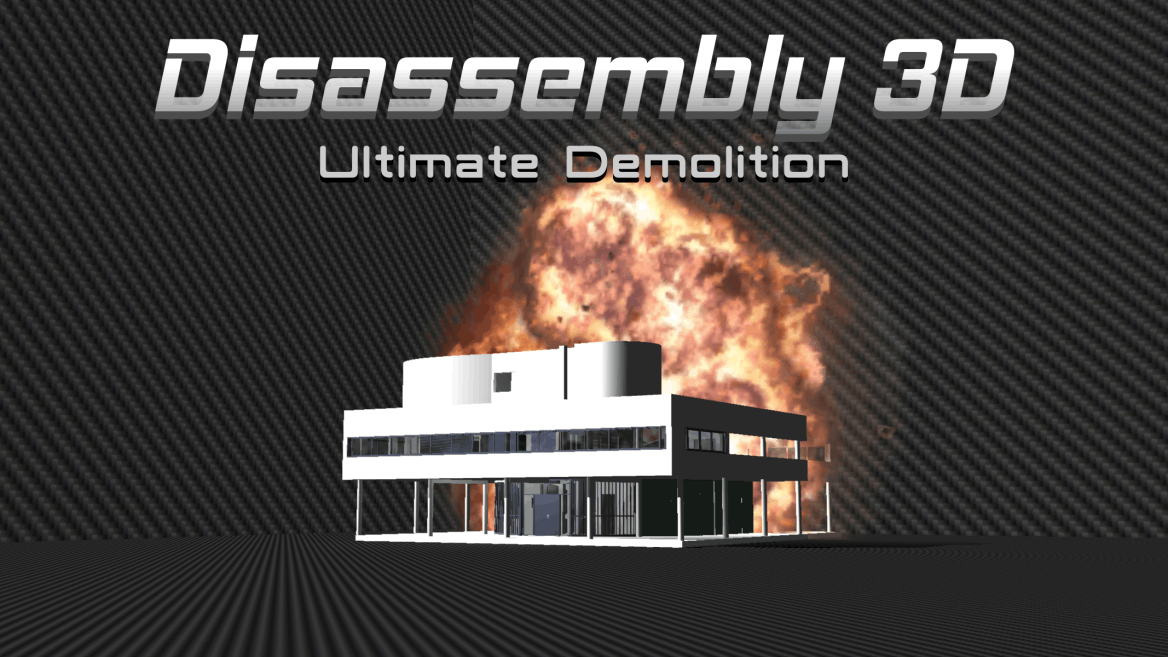
Explore, admire, then destroy works of architectural beauty! Place bombs, guns, and rocket launchers - an entire arsenal at your disposal, including a nuclear bomb! More explosions than you have ever experienced before! The ultimate destruction sandbox!
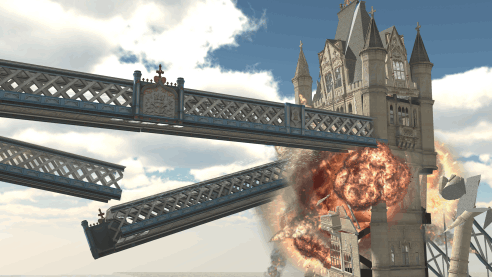
27 buildings ranging from cosy houses and apartments, famous landmarks to architectural masterpieces, right up to massive opulent castles!

Exploration - full first person mode allows you to walk, jump, and fly to explore interiors, open doors, and climb up stairs!

Weapons - place bombs, guns, rocket launchers and unleash your entire arsenal in slow motion ‘bullet’ time. Unlimited ammo and explosions!

Other famous landmarks including the Petronas Twin Towers, Marina Bay Sands, Empire State Building, Neuschwanstein Castle and the White House.

The ultimate fidget spinner simulator! Premium quality and beautiful graphics with infinite customization! Tap to spin, keep tapping to spin faster!
35 different materials to choose from, unlocked as you level up! Customize each material to adjust its color, smoothness, and metallic properties! Infinite possibilities!
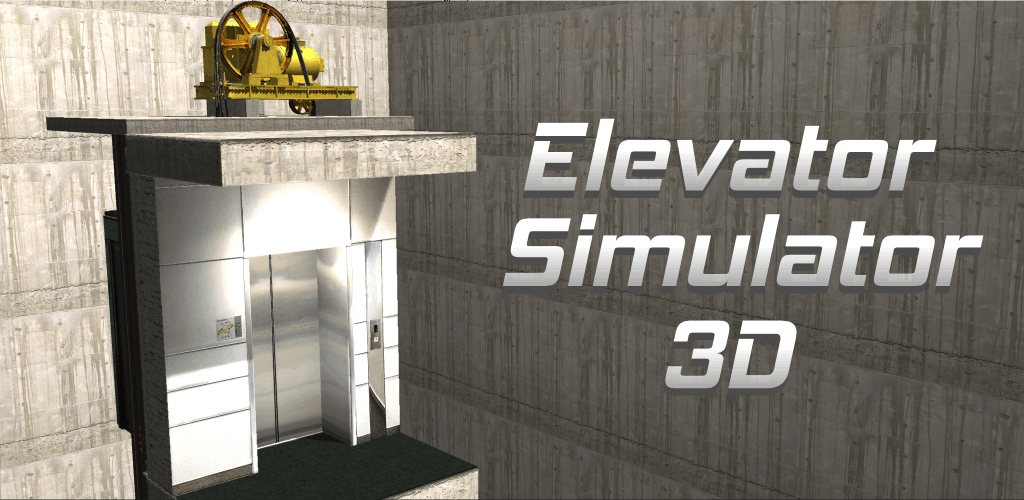
The most realistic elevator simulation ever! You will not find anything as detailed as this in any game! Fully working, mechanically accurate elevator that you can ride in! Great for kids, elevator enthusiasts and to pass your time while in the elevator!